Product

Bicycle

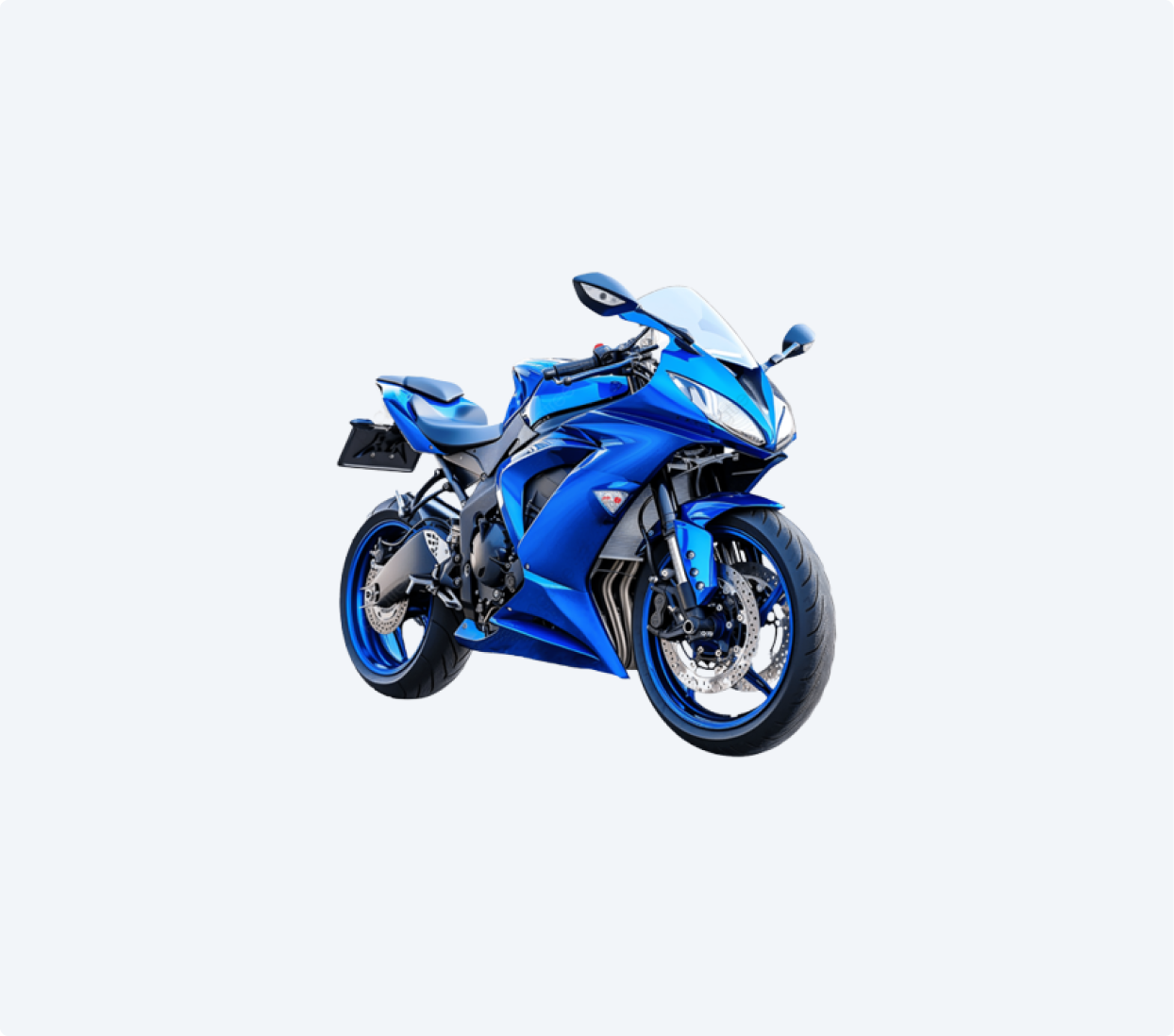
Pedaling to School: Bicycle & Helmet Access for Rural Learners in Migori & Kisumu Counties can support 500 school-going children (70% girls, 30% boys) aged 13–16 from remote, underserved communities who walk 7–12 km daily to school. Every morning before sunrise in the rural villages of Migori and Kisumu Counties, children begin a journey that most of the world will never see. Achieng, a 14-year-old girl from rural Uriri Village in Migori County, leaves home while the stars are still in the sky and begins her long walk to school. Her journey is 7 kilometers each way. Barefoot or in worn-out shoes, she crosses muddy paths, sugarcane farms, rocky hills, and sometimes flooded streams. During the rainy season, she arrives soaked. During dry months, she arrives dusty and exhausted. By the time lessons begin, her energy is already gone. Like many girls in her village, Achieng walks over 14 kilometers every day just to sit in a classroom. Many days, she doesn’t make it. Fatigue, insecurity, harassment risks, wild animals, and seasonal flooding force her and hundreds of others to miss school regularly. Some eventually drop out completely — not because they lack intelligence or dreams, but because distance becomes an invisible wall between them and their future. For girls, the situation is even harsher. Long, unsafe walks expose them to: 1. Gender-based violence 2. Early pregnancies 3. Early marriages 4. School dropout Yet, when asked what she wants most, Achieng does not say food. She does not say clothes. She says: “I want a bicycle so I can reach school safely and on time.” A simple bicycle can cut her travel time by over 60%, restore her energy, protect her safety, and keep her in school. This is why Resource Hub for Development (RHD) is launching a Bicycle & Helmet Support Initiative to empower out-of-school and at-risk children from remote rural communities in Migori and Kisumu Counties. This is not about transport. It is about dignity, safety, equality.

No of People Supported

500

Appeal

Recovere Launch Appeal

Causes

Carer Support

Single Parent Support

Addiction Recovery

Education Access

Economic Hardship

Support for Vulnerable Individuals

Delivery methods

Voucher/Funds

Quantity of items Needed

500

Address

Kisumu,Kenya
-

Country

Kenya

Similar Items Needed

Bicycle
Quantity Needed: 20
mw
People with Disabilities in Mangochi, Balaka, Zomba NEED Tricycles NOW"*In Mangochi, Balaka, and Zomba, 150 individuals with disabilities aged 20-60 are counting on YOUR support. Daily struggles to move around are taking a toll on their lives, limiting access to work, healthcare, and social connections.Meet Mary, a 35-year-old in Mangochi who lost her leg in an accident. "I want to sell veggies at the market, but without mobility, I'm stuck," she says. Stories like Mary's are common among the 150, who yearn for independence.*Their plea:* "Donate a tricycle. Give us mobility. Give us dignity."With tricycles, they can:🚲 Transport goods, earn income🏥 Access healthcare easily👥 Join community life, feel valued*TIME IS TICKING.* Donate a tricycle or funds NOW to change lives in Mangochi, Balaka, and Zomba.*Impact:*- *150 people gain independence*: Move freely, earn, and contribute- *Families benefit*: New income sources, better food, education- *Communities grow stronger*: Inclusive economic growth, diversity- *Role models emerge*: Disability no longer means inability*Every delay hurts.* Support these 150 individuals. Donate today! 💪 #DisabilityInclusion #Malawi #ActNow

Soccer ball

Quantity Needed: 5
mw
According to Classrooms for Malawi (2024), in 1994, Primary School education was made free in Malawi, however numerous obstacles persist. Today, approximately 5.3 million learners are currently enrolled marking a 7.2 percent increment from the previous year, highlighting the demand for primary education. Of these students, 49 percent are male, and 51 percent are female. However, only 35 percent of children complete primary school, revealing deep systemic issues. Understanding these root causes is essential to effectively address the barriers impeding the delivery of quality education in Malawi. <br /><br />Football For Development (FFD) in Primary Schools is a concept that will be used to promote social, emotional, and physical development among primary school children. We believe this will help learners develop the love for school, here are key areas:<br /><br />a) Physical development: Promoting physical activity, motor skills, and overall health through football-based activities.<br /><br />b) Social development: Developing essential social skills such as teamwork, communication, and cooperation.<br /><br />c) Emotional development: Fostering emotional intelligence, self-awareness, and self-regulation.<br /><br />d) Cognitive development: Enhancing problem-solving, critical thinking, and decision-making skills.<br /><br />Benefits of football for development in primary schools<br />a) Improved physical health: Encouraging regular physical activity and promoting healthy lifestyles.<br /><br />b) Enhanced social skills: Developing essential social skills that can benefit children in all areas of life.<br /><br />c) Increased confidence: Boosting children's confidence and self-esteem through football-based activities.<br /><br />d) Positive values: Instilling positive values such as respect, fair play, and sportsmanship.<br /><br />Implementation of Football For Development in primary schools (FFD)<br />a) Trained coaches: Utilizing trained coaches who can deliver high-quality football programmes.<br />

Bicycle

Quantity Needed: 20
mw
In Malawi, over 70% of children live in poverty. There are very few opportunities for skills training or employment for the youth either. By supporting Urunji Child-Care Trust with bicycles, you help these children (especially girls) with mobility to and from school.

Enter the details