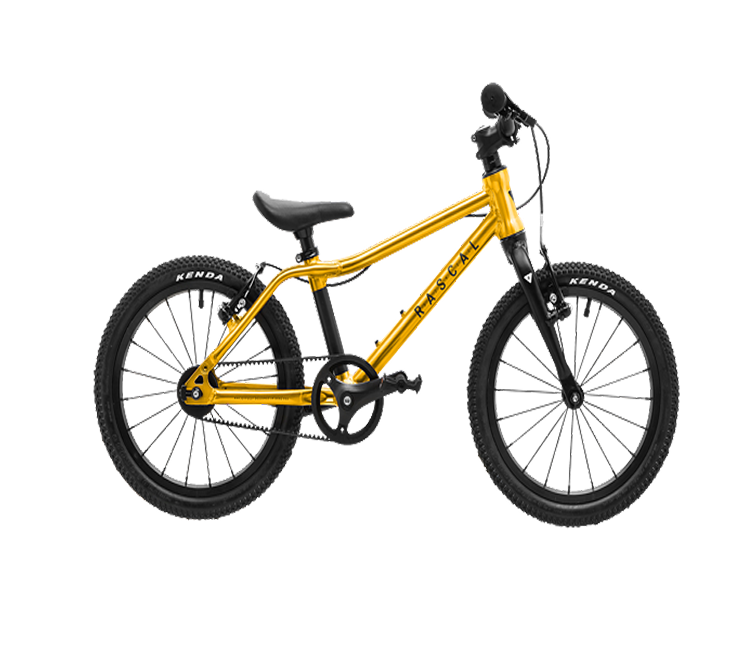
Bicycle
Rural youth in Tanzania are facing economic hardship with the intersection of youth unemployment, lack of education and lack of capital to start small income generating activities. right Future For Youth Tanzania aims to empower youth to thrive against poverty through providing bicycles as a practical tool to help rural youth earn a living through starting small delivery work, run errand or even begin a small transport service. For young people with no resources this will be a beginning of economic independence and growth.
No of People Supported
1000
Appeal
What's Urgently Needed Now
Causes
Economic Hardship
Delivery methods
Voucher/Funds
Quantity of items Needed
2
Address
Mwanza,Tanzania
33214
Country

Tanzania
Similar Items Needed

Soccer ball
Quantity Needed: 30
Child First a registered NGO with the NGO Regulatory Authority (NGORA) registration number NGO/L/26/064), is preparing to undertake an End of Year Primary Schools Football Festival to be held on 25th December 2026 (Christmas Day) at Chitukula Primary School, Lilongwe.<br /><br />This festival will bring together 3 U14 boys’ and 3 U14 girls’ teams, with each team comprising 15 players, and over 1,000 learners as participants from Chimpumbulu, Chitukula and Songwe Primary Schools to celebrate learning, promote education through sport, and nurture young talent in a safe, inclusive environment.<br /><br />The items needed are;<br />1. 30 soccer balls<br />2. 6 first aid kits<br />3. 6 sets of uniform<br />4. min goals with nets<br />60 medals <br /><br />We are hosting this festival in honour of Prof. Darlene A Kluka, whose distinguished work in sport management, youth sport development and leadership has been foundational to the establishment and technical guidance of Child First. Prof Kluka has trained many sports administrators in Malawi through the initiative that the Malawi National Council of Sport (MNCS) had in partnership with the University of Pretoria. <br /><br />Prof. Kluka, as a renowned expert in sport science, sport management and women in sport advocacy, her involvement honours our commitment to excellence, fair play and evidence-based youth development.<br /><br />THE OBJECTIVES OF THE FOOTBALL FESTIVAL<br />We strive to;<br />• Promote education through sport to encourage school retention<br />• Identify and nurture young football talent among U14 learners<br />• Foster fair play, teamwork, leadership and positive peer relationships<br />• Celebrate year-end achievements in a fun, safe festival<br /><br />Your contribution whether full or partial, in kind (footballs, kits, meals, medals, transport) will directly impact these children and honour Prof Darlene A. Kluka's legacy of inclusive, educational sport.<br />

Badmington racquet
Quantity Needed: 94

Support for Essential ItemsMany orphan children come from families that struggle to meet even their basic daily needs. After losing the primary earning member, mothers often rely on low-income or irregular work to support their households. In such circumstances, purchasing school-related items becomes extremely difficult.Students require essential materials throughout the academic year, including uniforms, shoes, books, stationery, school bags, and examination fees. Without these basic supplies, children face embarrassment in school and are at risk of missing classes or dropping out.Providing these essential educational items ensures that orphan students can attend school regularly and continue their learning with confidence. Timely support helps remove financial barriers and protects their right to education. With access to proper school materials, these children can focus on their studies, improve their performance, and move closer to achieving their dreams for a better future.

Basketball hoop
Quantity Needed: 2

In the dusty courts of Bungoma County, where poverty casts long shadows and high rates of physical and sexual violence trap girls in cycles of early school dropout, teenage pregnancy, and shattered dreams, 14-year-old Nelima once felt invisible. Overstretched public services offered little help, and prevention efforts were scarce. But Imarisha Usawa saw her potential, and the power of basketball to rewrite her story.<br />It started with a dribble. Nelima joined our community basketball program, a tool for change that draws in girls like her alongside families, coaches, educators, elders, and local leaders. On the court, she learned more than crossovers and jump shots. Coaches taught her to recognize red flags of violence and speak up, while elders shared stories of norm change, shifting mindsets that once normalized inequality. Her mother attended family sessions, unlearning harmful beliefs and becoming her fiercest advocate. Educators linked the team to school retention support, breaking the dropout chain.<br />Basketball built Nelima's leadership. She captained her team, organized drills that doubled as confidence workshops, and led peer circles on body autonomy and goal-setting. Today, Nelima dreams of coaching the next generation, her grades soaring and her voice echoing in community forums.<br /><br />Imarisha Usawa's prevention focused approach works because it unites everyone: girls empowered on the court, families transformed at home, and leaders driving lasting change. But we need your help to strengthen our work by creating better safe spaces. Across all wards in Bungoma, we lack basketball courts that are our safe spaces. Please support our aspirations to provide safe spaces for girls to thrive.